
NT/NB Scan: Important First Trimester Screening
The NT/NB scan (Nuchal Translucency and Nasal Bone scan) is an important prenatal ultrasound performed during the first trimester of pregnancy, usually between 11 weeks and 13 weeks plus 6 days. At this stage, the baby typically measures between 45 mm and 84 mm, which allows doctors to perform accurate screening.
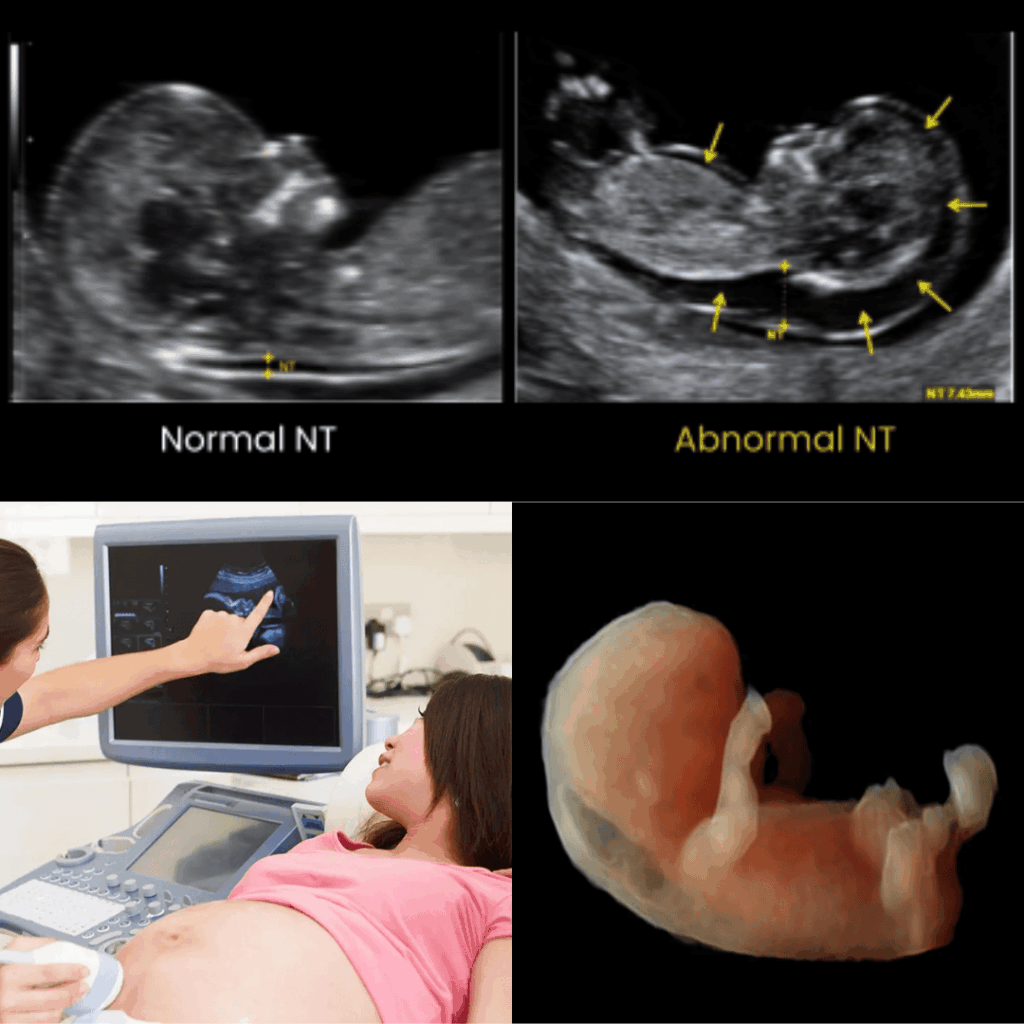
This scan helps assess the risk of chromosomal conditions such as Down syndrome (Trisomy 21). During the examination, the doctor measures the fluid-filled space at the back of the baby’s neck, known as nuchal translucency, and checks the presence of the nasal bone. These findings are usually combined with maternal blood tests and age to calculate the overall risk of chromosomal abnormalities.
In addition to screening for genetic conditions, the NT/NB scan helps confirm the gestational age of the pregnancy, detect early structural abnormalities, and determine whether the pregnancy involves twins or multiple babies.
Why is the NT/NB Scan Important?
The NT/NB scan provides valuable information during the early stages of pregnancy and helps doctors monitor the baby's development more closely.
Early Risk Detection: The scan helps identify the possibility of chromosomal abnormalities at an early stage of pregnancy.
Safe and Non-Invasive: NT/NB scan uses ultrasound technology and does not involve any invasive procedures, making it safe for both the mother and the developing baby.
Better Pregnancy Monitoring: The results help doctors and parents understand the health of the pregnancy and decide if additional tests are required.
What Does the NT/NB Scan Measure?
Nuchal Translucency (NT): This measurement evaluates the thickness of fluid behind the baby's neck. Increased thickness may indicate a higher risk of certain chromosomal or structural abnormalities.
Nasal Bone (NB): The ultrasound also checks whether the baby's nasal bone is visible. An absent or small nasal bone can sometimes be associated with a higher risk of chromosomal conditions.
What Happens After the Scan?
The NT measurement, nasal bone assessment, maternal age, and blood test results are combined to estimate the risk of chromosomal abnormalities.
If the screening result indicates a higher risk, your doctor may recommend further diagnostic tests such as amniocentesis or chorionic villus sampling (CVS) to confirm the diagnosis.
Important: The NT/NB scan is a screening test and not a diagnostic test. A higher risk result does not necessarily mean the baby has a chromosomal abnormality. Your doctor will guide you regarding further evaluation if required.