
Cordocentesis (PUBS): Umbilical Cord Blood Sampling Test
Cordocentesis, also known as Percutaneous Umbilical Blood Sampling (PUBS), is a specialized prenatal diagnostic procedure used to obtain a small sample of blood from the fetus through the umbilical cord. This test is generally performed after 18 weeks of pregnancy and helps doctors diagnose certain genetic, chromosomal, and blood-related disorders in the fetus.
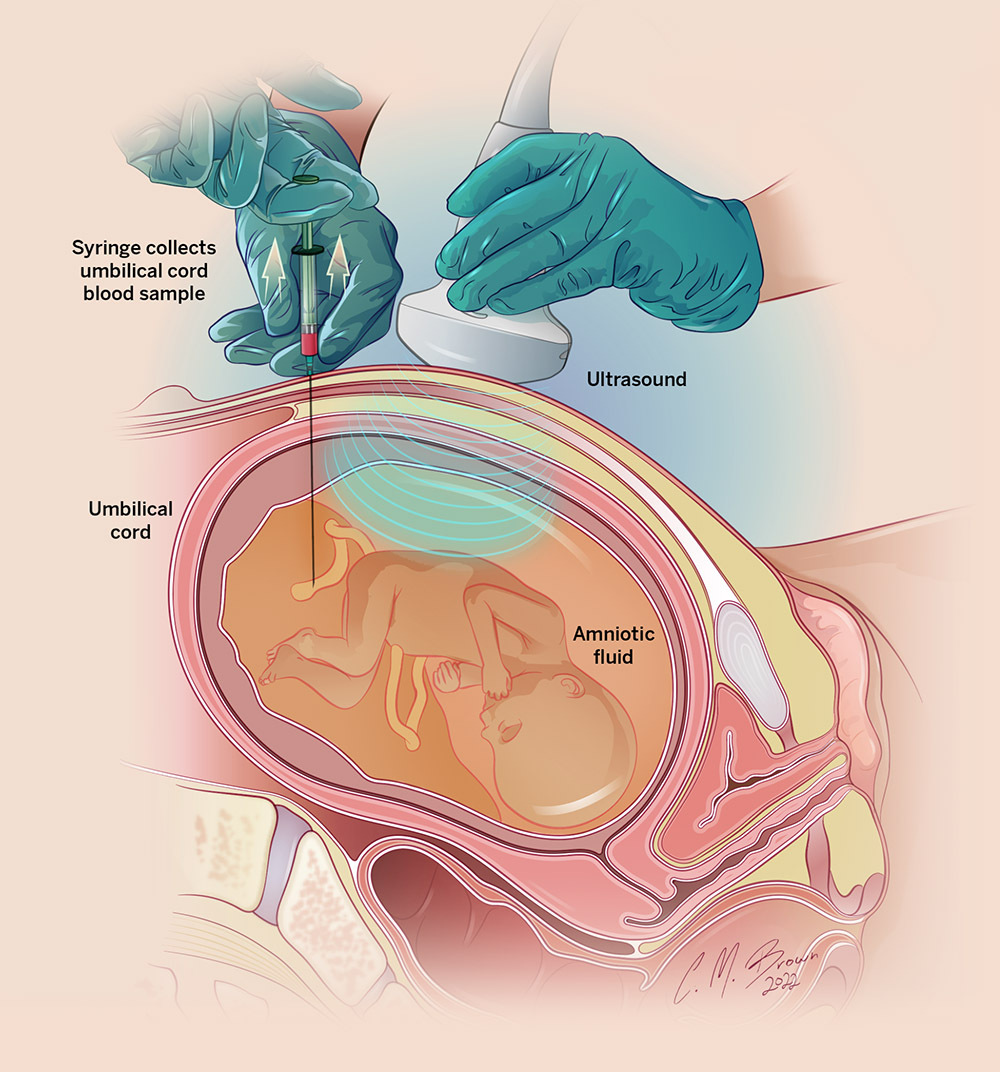
The procedure is carried out under continuous ultrasound guidance to ensure precise placement of the needle and to monitor the fetus during the process. Cordocentesis provides rapid diagnostic information and may be recommended when other tests are inconclusive or when quick medical decisions are required.
Because it is an invasive procedure, cordocentesis is typically advised only in specific high-risk pregnancies where the benefits of obtaining detailed diagnostic information outweigh the potential risks.
When is Cordocentesis Performed?
High-Risk Pregnancies: When screening tests indicate a high risk of chromosomal or genetic abnormalities.
Rapid Diagnosis: When a quick and definitive diagnosis is needed to guide medical management during pregnancy.
Evaluation of Fetal Conditions: Cordocentesis may be used to diagnose fetal blood disorders, infections, or metabolic diseases.
How is Cordocentesis Performed?
Ultrasound Guidance: The doctor uses ultrasound imaging to locate the fetus, placenta, and umbilical cord before inserting the needle.
Needle Insertion: A thin sterile needle is carefully inserted through the mother’s abdomen and directed into the umbilical cord.
Blood Sampling: A small amount of fetal blood is collected and sent to a laboratory for detailed analysis.
What Information Does Cordocentesis Provide?
Chromosomal Abnormalities: Can diagnose conditions such as Down syndrome (Trisomy 21), Trisomy 18, and Trisomy 13.
Genetic Disorders: May detect inherited conditions including cystic fibrosis or sickle cell anemia.
Blood Disorders: Helps diagnose fetal blood disorders such as hemophilia or certain types of anemia.
Fetal Infections: Can identify infections that may affect the fetus during pregnancy.
Risks Associated with Cordocentesis
Miscarriage Risk: There is a small risk of pregnancy loss, generally estimated at less than 1%.
Bleeding: Some bleeding may occur at the puncture site or from the umbilical cord.
Infection: There is a very small risk of infection following the procedure.
Important: Cordocentesis is usually recommended only when detailed diagnostic information is essential for managing a high-risk pregnancy. Discuss the potential benefits and risks with your healthcare provider before undergoing the procedure.