
Folliculometry: Monitoring Ovulation and Fertility
Folliculometry is a diagnostic ultrasound procedure used to monitor the growth and development of ovarian follicles during a woman's menstrual cycle. Follicles are small fluid-filled sacs in the ovaries that contain developing eggs. Tracking these follicles helps doctors determine the timing of ovulation and assess overall reproductive health.
This test is commonly recommended for women who are trying to conceive, undergoing fertility treatments, or experiencing irregular ovulation. By observing how follicles grow and mature, doctors can identify the most fertile period of the cycle and guide couples on the best time for conception.
Folliculometry is also useful for evaluating ovarian function and diagnosing certain reproductive conditions that may affect fertility.
Why is Folliculometry Performed?
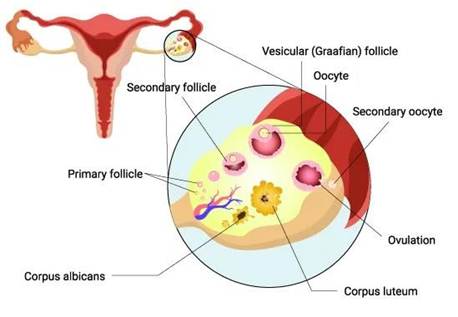
Tracking Ovulation: Folliculometry helps determine when ovulation is likely to occur by monitoring the growth of ovarian follicles.
Improving Chances of Conception: By identifying the most fertile period, couples can plan intercourse or fertility treatments at the optimal time.
Monitoring Fertility Treatments: It is commonly used during treatments such as ovulation induction or IVF to monitor how the ovaries respond to medications.
Diagnosing Ovulation Problems: The scan can help detect issues such as delayed ovulation, anovulation (lack of ovulation), or other hormonal imbalances affecting fertility.
How Does Folliculometry Work?
Folliculometry is usually performed using ultrasound imaging. The scan may be conducted through the abdomen or more commonly through a transvaginal ultrasound, which provides clearer images of the ovaries.
During the examination, the doctor measures the size and number of developing follicles in the ovaries. These measurements are repeated over several days of the menstrual cycle to track follicular growth and identify the moment when ovulation is about to occur.
What to Expect During the Procedure
Preparation: Usually no special preparation is required. Your doctor may advise the best day of the menstrual cycle to start the scan.
The Procedure: A small ultrasound probe is used to capture images of the ovaries and uterus. The developing follicles are measured to track their growth.
Duration: Each scan generally takes around 10–15 minutes, though multiple scans may be required throughout the cycle.
After the Folliculometry Scan
After reviewing the follicle measurements, your doctor will advise you about the expected ovulation time and the best timing for conception or fertility treatment. If any abnormalities are detected, further evaluation or treatment may be recommended.