
High-Risk Pregnancy: Monitoring and Care for Safer Outcomes
A high-risk pregnancy is one in which the mother, baby, or both have a greater chance of experiencing complications before, during, or after delivery. In such cases, careful monitoring and specialized medical care are essential to ensure the health and safety of both mother and baby.
Ultrasound plays a crucial role in managing high-risk pregnancies. It provides real-time imaging that allows doctors to monitor fetal growth, evaluate the amount of amniotic fluid, check placental position, and assess the structure of the baby’s heart. Advanced ultrasound techniques can also evaluate blood flow through the umbilical cord and other fetal vessels.
Early detection of potential complications helps doctors plan appropriate treatments and interventions, improving the chances of a healthy pregnancy outcome.
Common Factors Contributing to High-Risk Pregnancy
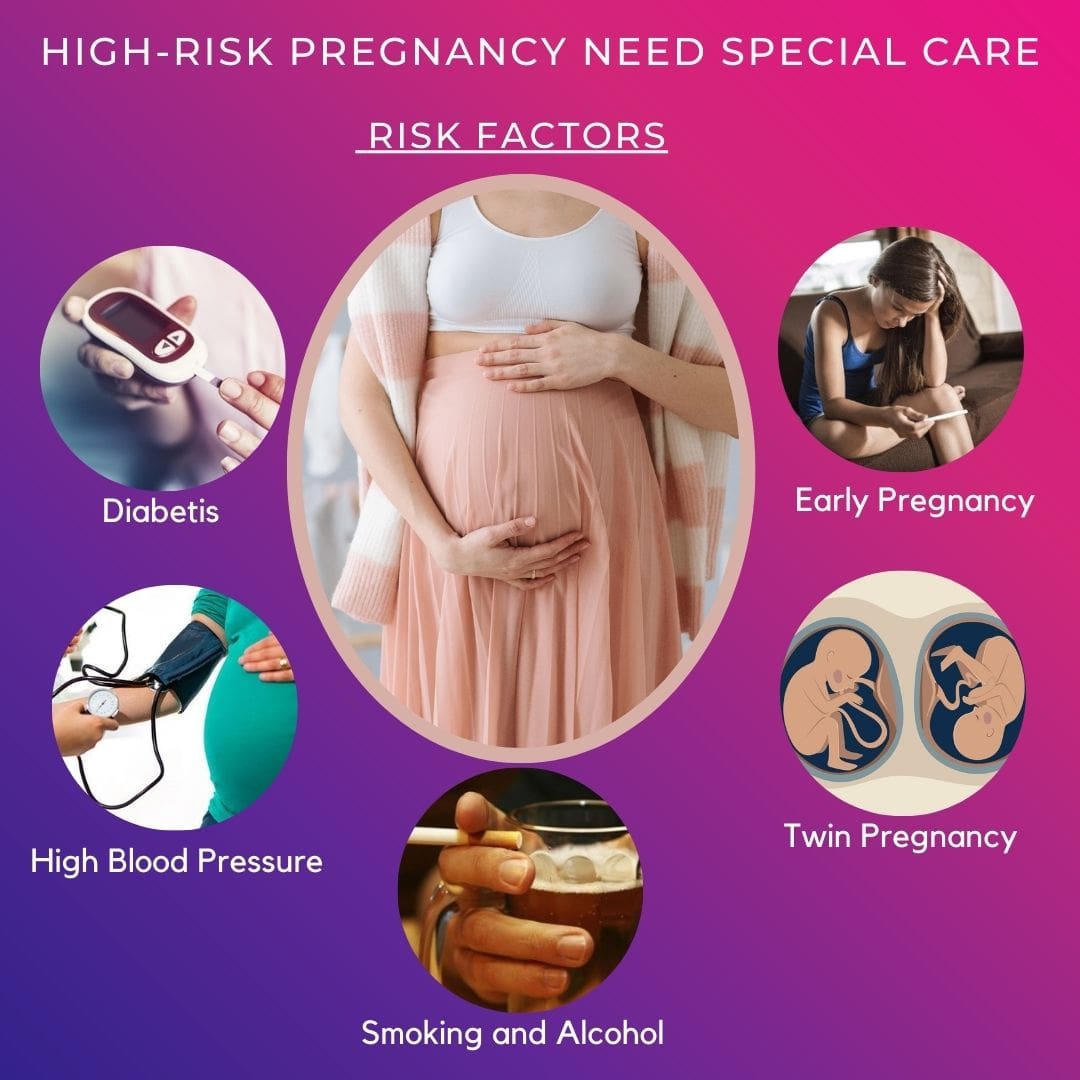
Maternal Age: Pregnancies in women younger than 18 or older than 35 may have increased risks.
Existing Medical Conditions: Conditions such as diabetes, high blood pressure, heart disease, kidney disease, or autoimmune disorders can affect pregnancy outcomes.
Previous Pregnancy Complications: A history of miscarriage, preterm birth, or preeclampsia may increase the likelihood of complications in future pregnancies.
Genetic Factors: Certain genetic conditions or chromosomal abnormalities can influence fetal development.
Lifestyle Factors: Smoking, alcohol consumption, or drug use can increase risks during pregnancy.
Multiple Pregnancy: Carrying twins, triplets, or more babies increases the chances of complications.
Potential Complications of High-Risk Pregnancy
Preeclampsia: A condition involving high blood pressure and potential damage to organs such as the liver and kidneys.
Preterm Birth: Delivery occurring before 37 weeks of pregnancy.
Gestational Diabetes: Diabetes that develops during pregnancy and requires careful monitoring.
Fetal Growth Restriction: The baby may grow more slowly than expected.
Placental Abruption: A condition in which the placenta separates from the uterine wall prematurely.
Birth Defects: Structural or congenital abnormalities affecting the baby’s development.
Management of High-Risk Pregnancy
Regular Prenatal Checkups: Frequent visits and ultrasound scans help monitor fetal growth and maternal health.
Specialist Care: Some pregnancies may require care from maternal-fetal medicine specialists or other healthcare experts.
Close Monitoring: Doctors closely track both maternal health and fetal development to detect complications early.
Medical Treatment: Depending on the situation, treatment may involve medications, lifestyle adjustments, or planned early delivery if necessary.
Important: Although high-risk pregnancies require extra care, many women with these conditions successfully deliver healthy babies with proper monitoring and medical support.