
Fetal Therapy: Treatment for Conditions Before Birth
Fetal therapy refers to specialized medical treatments performed during pregnancy to manage or treat conditions affecting the fetus while still in the womb. The primary goal of fetal therapy is to improve the health and development of the fetus and reduce the risk of complications before or after birth.
This field of medicine includes a wide range of procedures, from advanced diagnostic evaluations to minimally invasive treatments and fetal surgery. These interventions are typically performed by highly trained fetal medicine specialists using advanced imaging techniques such as ultrasound.
Fetal therapy is recommended only in carefully selected situations where early treatment can significantly improve pregnancy outcomes for both the mother and the baby.
Intrauterine Blood Transfusion (IUT)
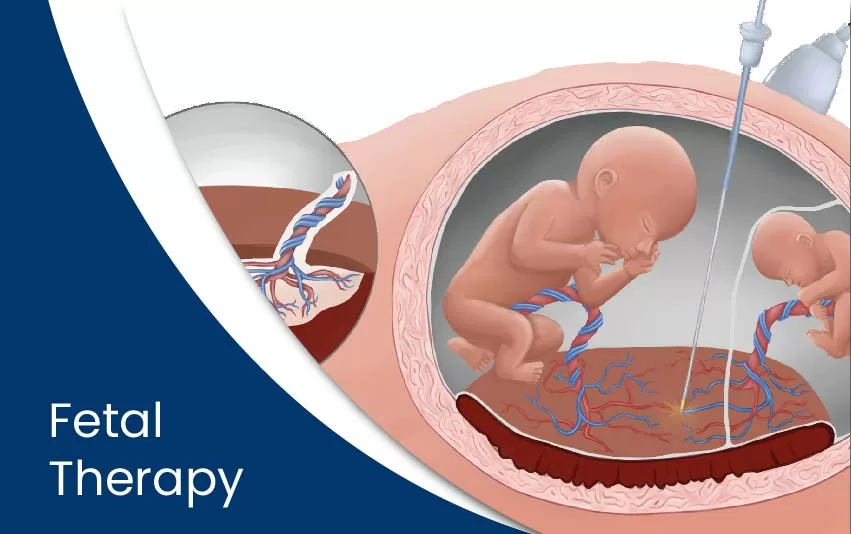
Intrauterine blood transfusion (IUT) is a specialized fetal therapy procedure used to treat severe fetal anemia while the baby is still in the womb. During this procedure, compatible donor blood is transfused directly into the fetus through the umbilical cord.
IUT is commonly performed when fetal anemia occurs due to conditions such as Rh incompatibility, ABO incompatibility, or fetal infections. The procedure helps restore normal blood levels and prevent complications such as fetal heart failure or stillbirth.
This treatment is carried out in specialized fetal medicine centers with advanced ultrasound monitoring and expert medical teams.
Common Types of Fetal Therapy
Fetal Surgery: Certain structural abnormalities may be corrected before birth. Examples include treatment for spina bifida or congenital diaphragmatic hernia.
Fetal Transfusion: Blood transfusions may be administered to treat fetal anemia or conditions such as hydrops fetalis.
Laser Therapy: Laser procedures can treat specific placental or vascular conditions, including twin-to-twin transfusion syndrome.
Endoscopic Procedures: Minimally invasive techniques using tiny cameras and instruments may be used to treat certain fetal conditions.
Important Considerations
Medical Risks: Like any medical procedure, fetal therapy carries certain risks, including the possibility of miscarriage or preterm birth.
Specialized Expertise: These procedures require experienced fetal medicine specialists and advanced hospital facilities.
Individualized Decision: The decision to undergo fetal therapy is highly individualized and should always be discussed with a multidisciplinary medical team to understand the benefits, risks, and possible alternatives.