
Amniocentesis: Prenatal Diagnostic Test for Genetic Conditions
Amniocentesis is a diagnostic prenatal test used to detect chromosomal abnormalities and certain genetic disorders in a developing baby. The procedure is usually performed between 15 and 17 weeks of pregnancy, when there is enough amniotic fluid surrounding the fetus for safe sampling.
During the procedure, a thin needle is inserted through the mother’s abdomen into the uterus under ultrasound guidance to collect a small amount of amniotic fluid. This fluid contains fetal cells and genetic material that can be analyzed in the laboratory to identify chromosomal conditions or inherited disorders.
Amniocentesis is considered a highly accurate diagnostic test. However, it is an invasive procedure and is usually recommended when there is an increased risk of genetic abnormalities based on screening tests, maternal age, or family history.
When is Amniocentesis Performed?
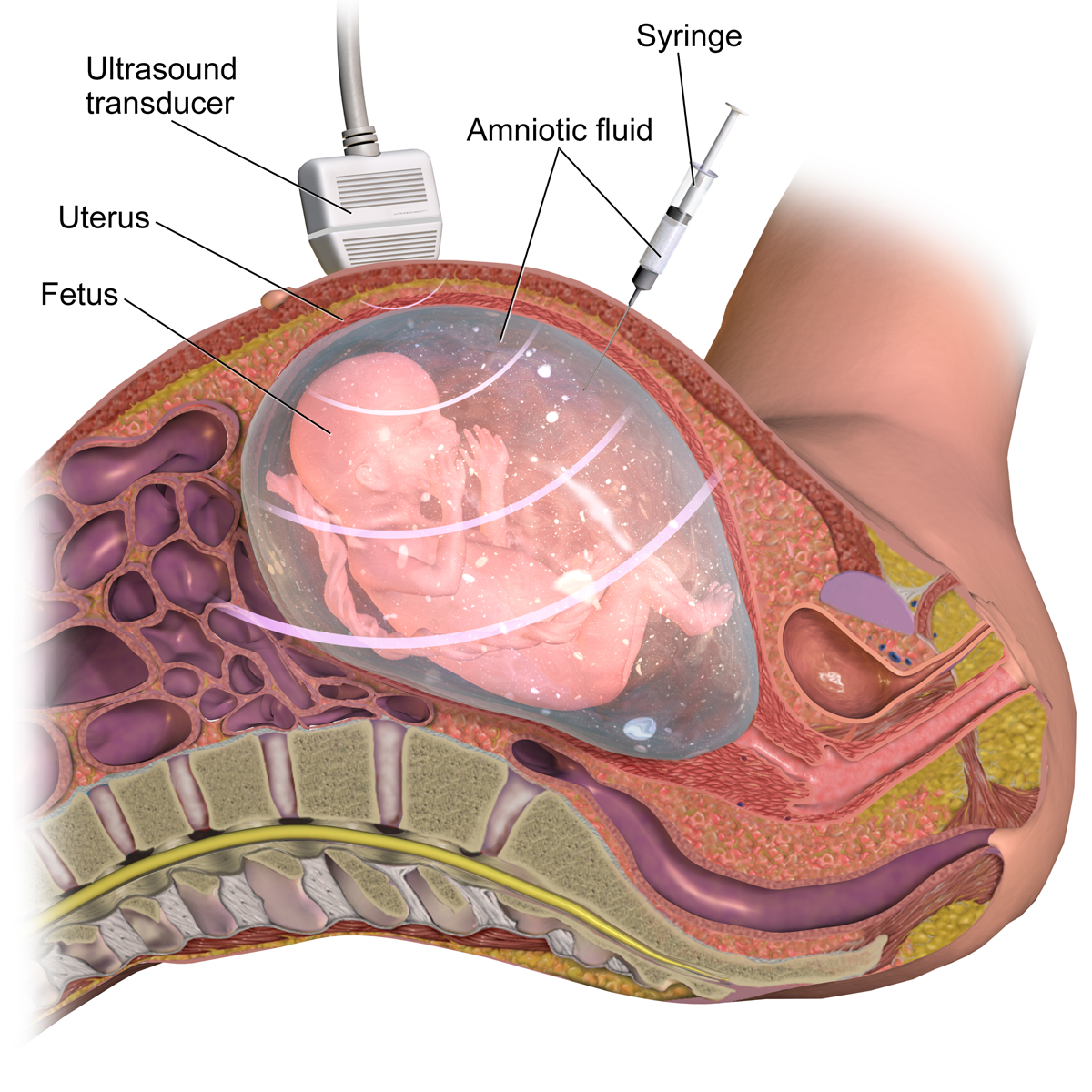
After 15 Weeks of Pregnancy: The procedure is typically done during the second trimester when sufficient amniotic fluid is present.
High-Risk Pregnancies: It may be recommended if earlier screening tests indicate an increased risk of chromosomal abnormalities or if there is a known family history of genetic conditions.
How is Amniocentesis Performed?
Ultrasound Guidance: The doctor uses ultrasound imaging to determine the position of the fetus and placenta before the procedure.
Needle Insertion: A thin sterile needle is carefully inserted through the abdominal wall into the amniotic sac.
Fluid Collection: A small sample of amniotic fluid is withdrawn and sent to a laboratory for genetic analysis.
What Information Does Amniocentesis Provide?
Chromosomal Abnormalities: Detects conditions such as Down syndrome (Trisomy 21), Trisomy 18, and Trisomy 13.
Genetic Disorders: Can identify certain inherited conditions including cystic fibrosis, sickle cell anemia, and other genetic diseases.
Other Developmental Conditions: In some cases, the test can help detect neural tube defects or other developmental concerns.
Possible Risks of Amniocentesis
Miscarriage: The risk of pregnancy loss is very low, generally estimated at less than 0.5%.
Infection: There is a small risk of infection following the procedure.
Fluid Leakage or Minor Bleeding: Rarely, some women may experience slight leakage of amniotic fluid or mild vaginal bleeding.
What to Expect After the Procedure
Most women experience mild discomfort or cramping after the procedure. It is usually recommended to rest and avoid strenuous activities for a short period.
If symptoms such as severe abdominal pain, fever, heavy bleeding, or fluid leakage occur, contact your healthcare provider immediately.
Important: Amniocentesis results are typically categorized as normal, abnormal, or inconclusive. Your doctor will explain the findings and discuss any further evaluation or treatment options if needed.