
Fetal Doppler Scan: Monitoring Blood Flow and Fetal Well-being
A fetal Doppler scan is a specialized ultrasound used during pregnancy to evaluate the blood flow between the baby, the placenta, and the uterus. This scan provides valuable information about how effectively oxygen and nutrients are being delivered to the developing baby.
During the scan, doctors analyze the blood flow in important vessels such as the umbilical artery, fetal brain arteries, and uterine arteries. These measurements help determine whether the placenta is functioning properly and whether the baby is receiving adequate blood supply.
Fetal Doppler studies are especially useful in pregnancies where there may be concerns about the baby’s growth or placental function. Early detection of blood flow abnormalities allows doctors to closely monitor the pregnancy and take timely medical decisions if required.
Why is a Fetal Doppler Scan Important?
The fetal Doppler scan plays an important role in assessing the baby's overall health and detecting complications related to blood circulation during pregnancy.
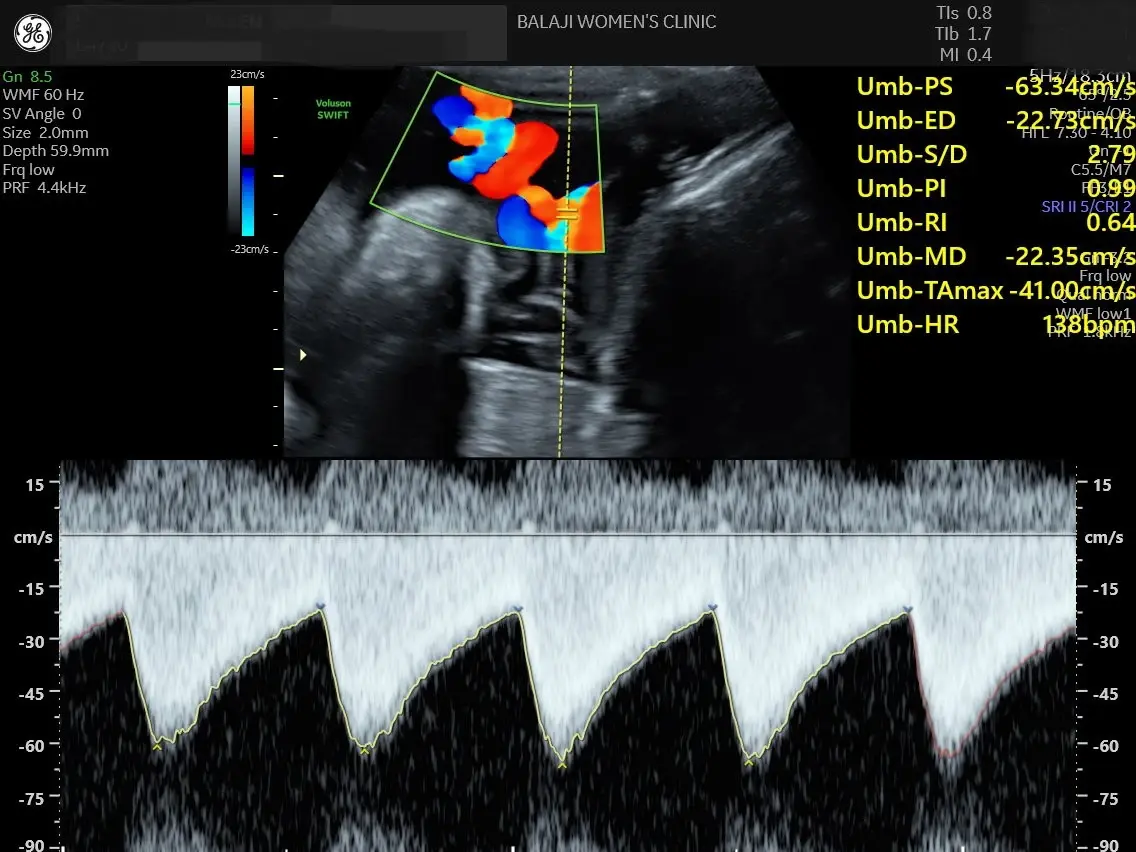
Assessment of Placental Function: The Doppler scan helps evaluate whether the placenta is supplying sufficient oxygen and nutrients to the baby.
Detection of Growth Problems: It can identify reduced blood flow that may be associated with conditions such as intrauterine growth restriction (IUGR).
Monitoring High-Risk Pregnancies: Doppler scans are often recommended when the mother has conditions like high blood pressure, diabetes, or previous pregnancy complications.
Early Detection of Fetal Distress: By evaluating blood circulation patterns, doctors can detect early signs that the baby may not be receiving adequate oxygen.
What Happens During a Fetal Doppler Scan?
Preparation: Usually no special preparation is required before the scan.
The Procedure: A sonographer applies a small amount of gel on the abdomen and uses a handheld ultrasound probe to capture images and measure blood flow through different fetal and placental blood vessels.
Duration: The scan typically takes around 20 to 30 minutes, depending on the baby’s position and the measurements required.
After the Doppler Scan
After the examination, your doctor will review the Doppler measurements and discuss the results with you. If the blood flow patterns appear normal, the pregnancy usually continues with routine monitoring.
If any abnormalities are detected, your healthcare provider may recommend closer monitoring, additional scans, or specific medical management to ensure the best possible outcome for both mother and baby.